The slab nobody sees from the street
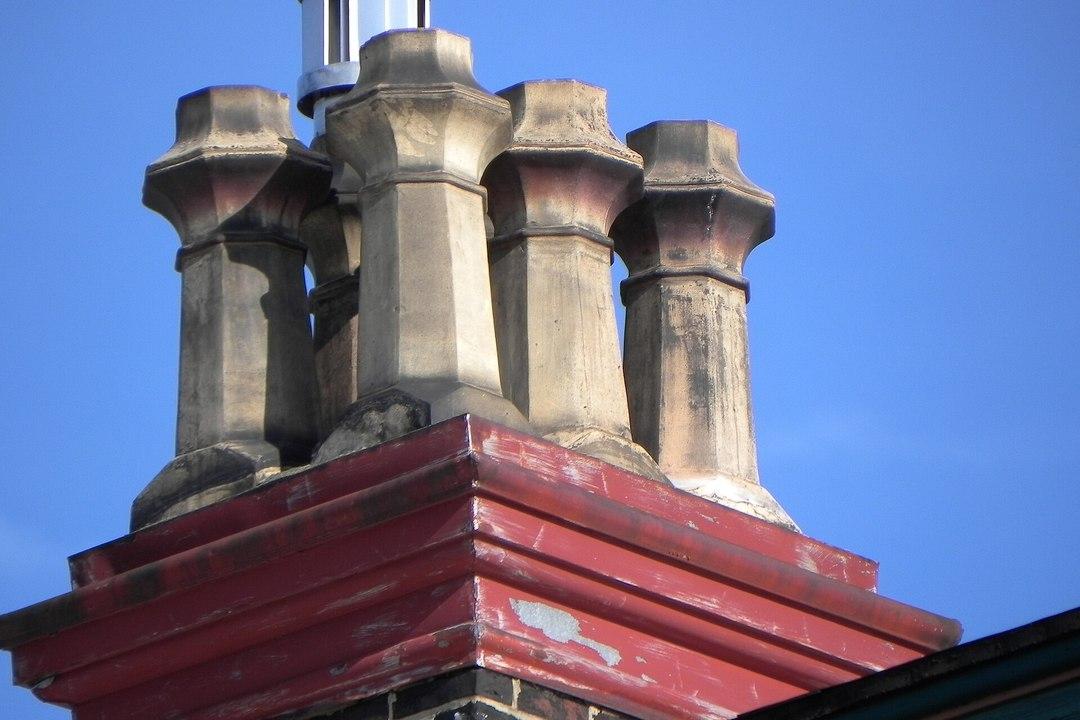
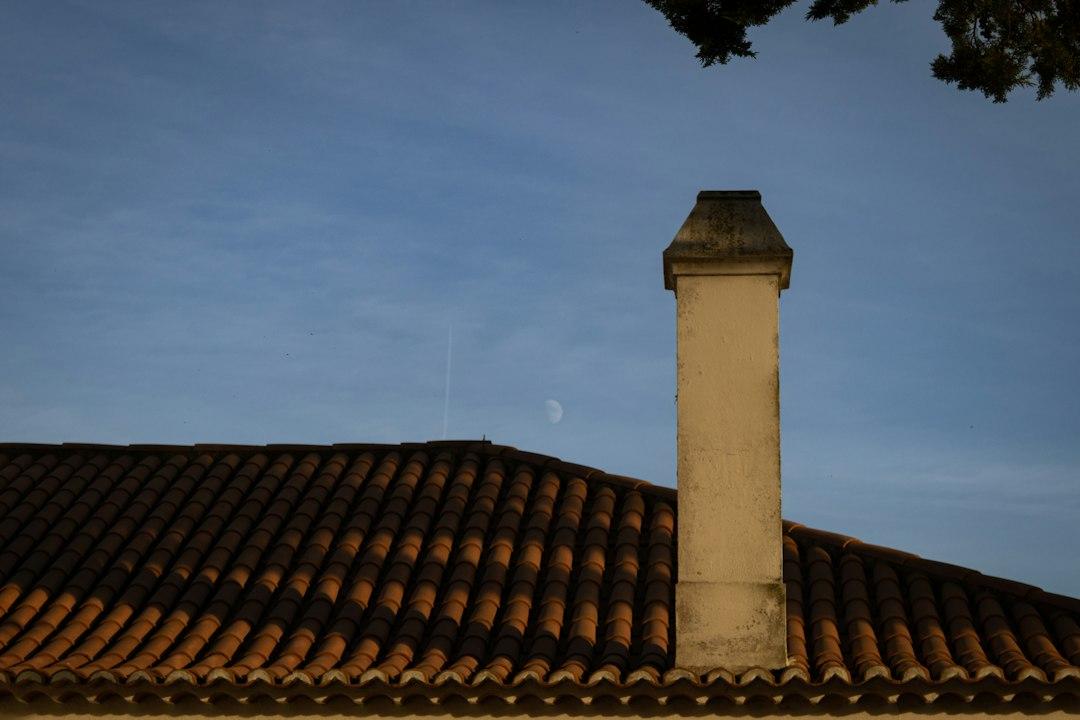
On top of a masonry chimney there is a slab of concrete or mortar, with the flue tile rising through it. It is the chimney's lid. Rain hits it first, the sun bakes it all summer, and it moves a little every time the flue heats and cools. Over enough years it cracks.
When an estimate in Irvine lists crown work, it usually says one of two things: seal the cracks, or remove the crown and cast a new one. The second costs several times the first. Owners ask us which one their chimney actually needs, and the answer is in the condition of the slab, not in the age of the house.
What a sealed crown looks like
Sealing means cleaning the top, filling the cracks and coating the slab with a flexible membrane made for the job. It suits a crown that is still one solid piece: hairline cracks, some surface wear, but nothing loose and no water getting through to the brick below.
Signs that sealing is enough:
- cracks are fine and do not go through the full depth;
- the crown rings solid when tapped, with no hollow spots;
- the edges are intact and the slab still sheds water past the brick;
- the flue tile is not cracked where it leaves the crown.
Done on the right crown, sealing buys years. Done on the wrong one, it hides a problem that keeps getting worse underneath.
When the crown has to come off
Recasting means breaking out the old slab and forming a new one. We recommend it when sealing would only be paint over a failure:
- cracks run right through, and pieces lift or shift;
- the crown is a thin skim that was never shaped to throw water off;
- water is already showing in the flue, the attic or the brick below;
- the crown is stuck fast to the flue tile, so every heat cycle cracks it again.
A new crown is shaped to fall away from the flue, overhangs the brick so rain drips clear, and leaves the tile free to expand. It is a bigger job, and it is the one that stops a recurring problem.
Why estimates disagree
Here is what we usually find when two estimates for the same crown do not match.
- One crew saw it close up, one from a ladder. Hairline and through cracks look the same from a distance.
- One counted the flue tile. If the tile is cracked at the top, a new crown alone does not finish the job.
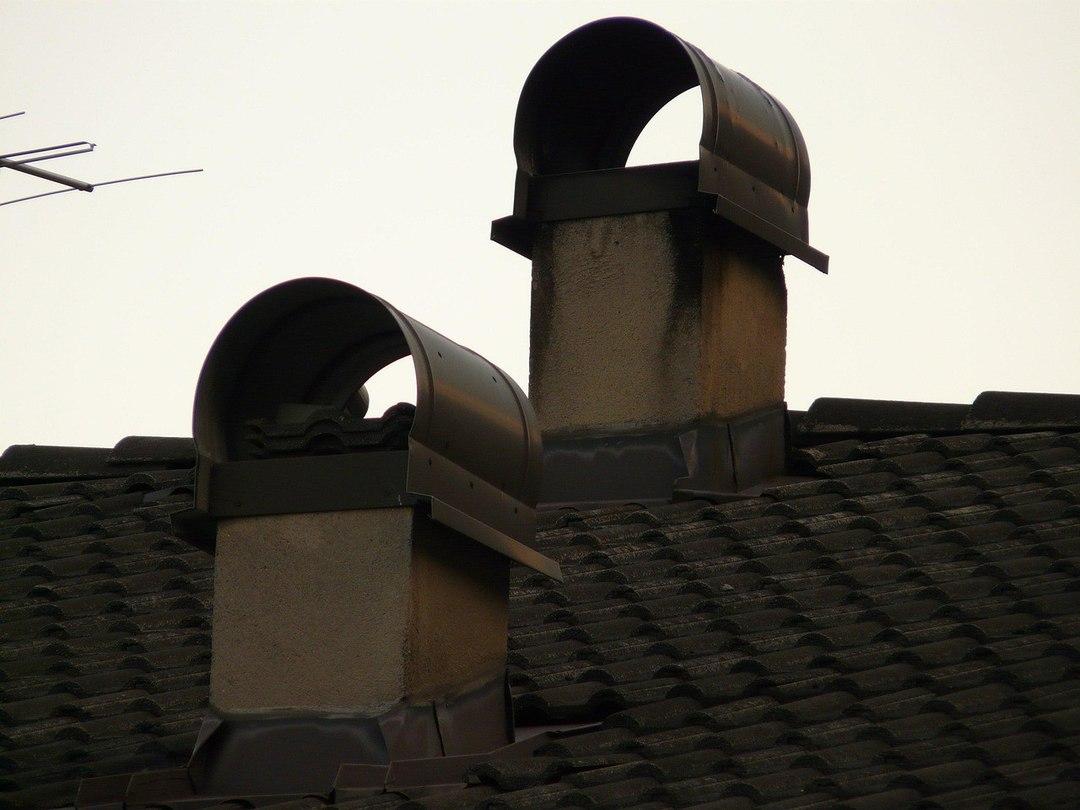
- One priced a cap; one did not. Without a cap, the open tile collects rain no matter how good the slab is.
- Seasonal habit. Some crews recast everything; some seal everything. Neither is right every time.
On our visit we photograph the slab, the tile and the brick around them, tap the concrete, look down the flue and check the brick and the attic below. Our note says patch or recast and shows the evidence for that call.
What the work costs
Crown work does not have a single published price with us because crowns vary so much in size, shape and access. We look first and write a figure, separately for sealing and for recasting where both are realistic, so you can compare.
Related items that often sit on the same estimate do have published prices:
| Often on the same page | Our price |
|---|---|
| A cap to keep rain off the flue opening | quoted after we measure |
| A full leak trace and repair, where water is already inside | $545 to $3,250 |
| Our camera inspection of the flue | $380 |
What decides patch versus recast is what the slab looks like up close and whether water has already got past it. Describe what the estimate proposes and where you have seen water, if anywhere, and we call back to set a roof visit.
Patch now, recast later?
Sometimes that is a reasonable plan. If a crown is beginning to fail but nothing has leaked yet, sealing can carry it for a while and the recast can be planned. We say plainly when that is a safe choice and when it is just putting off the same bill. A crown that is letting water into the brick is not one to wait on, because the brick below it starts to suffer next.
Quakes and crowns
Older Irvine chimneys have been through more than one strong quake, and the top of the stack moves the most. A crown cracked by shaking can look like normal weather wear from the ground. If your estimate mentions loose brick along with the crown, our seismic retrofit page covers that side of it.
What our crown note looks like
The note for a crown is short. It names the call, patch or recast, and lists the reasons in the order we found them: crack width and depth, any hollow sound, the state of the edges, the condition of the tile and anything we saw in the brick or the attic underneath. Each reason points at a numbered photo. If both repairs are realistic, both figures sit side by side with what each one leaves unfixed, so the choice is yours and you can see what it rests on.
Further reading
See our crown repair service page for what the work involves, and comparing chimney leak quotes if the crown came up because of a stain indoors.
Getting an answer for your roof
If you have a crown estimate and want to know which repair it really needs, go to our contact page and tell us what was proposed. We will look at the slab ourselves and give you the call with photos.
Want the Evidence on Your Own Chimney?
Kavanagh Chimney Sweep inspects from Irvine and photographs every item a quote or report names, then labels it now, later or not needed. Laguna Hills, Lake Forest, Newport Beach and the rest of Orange County are on our visit days.