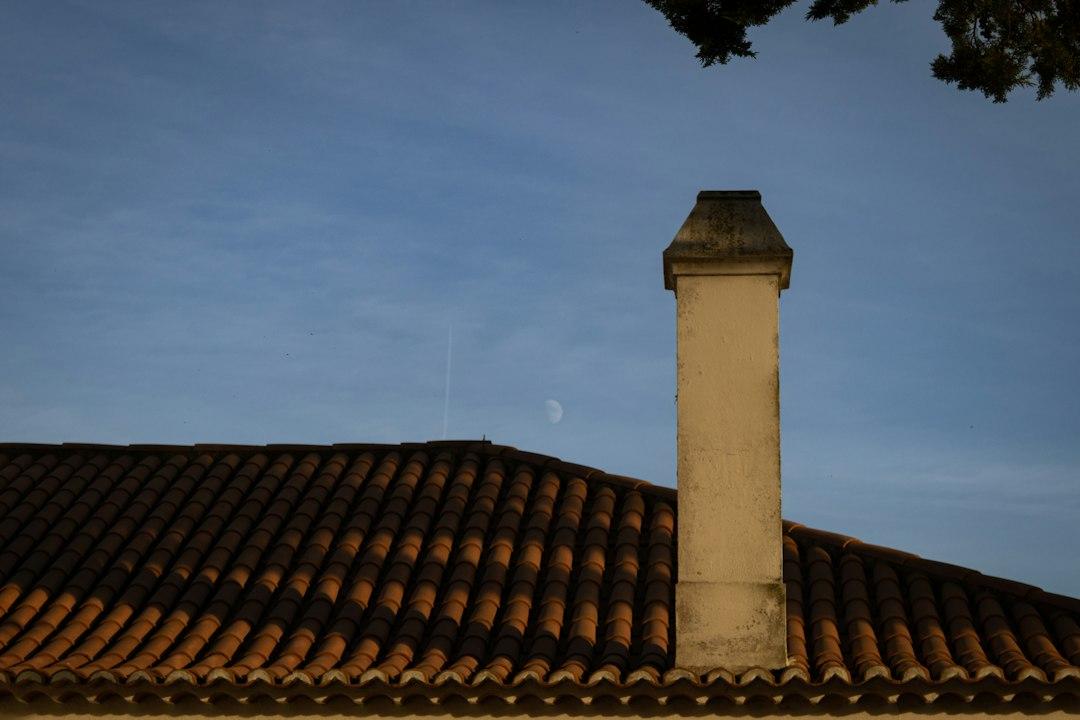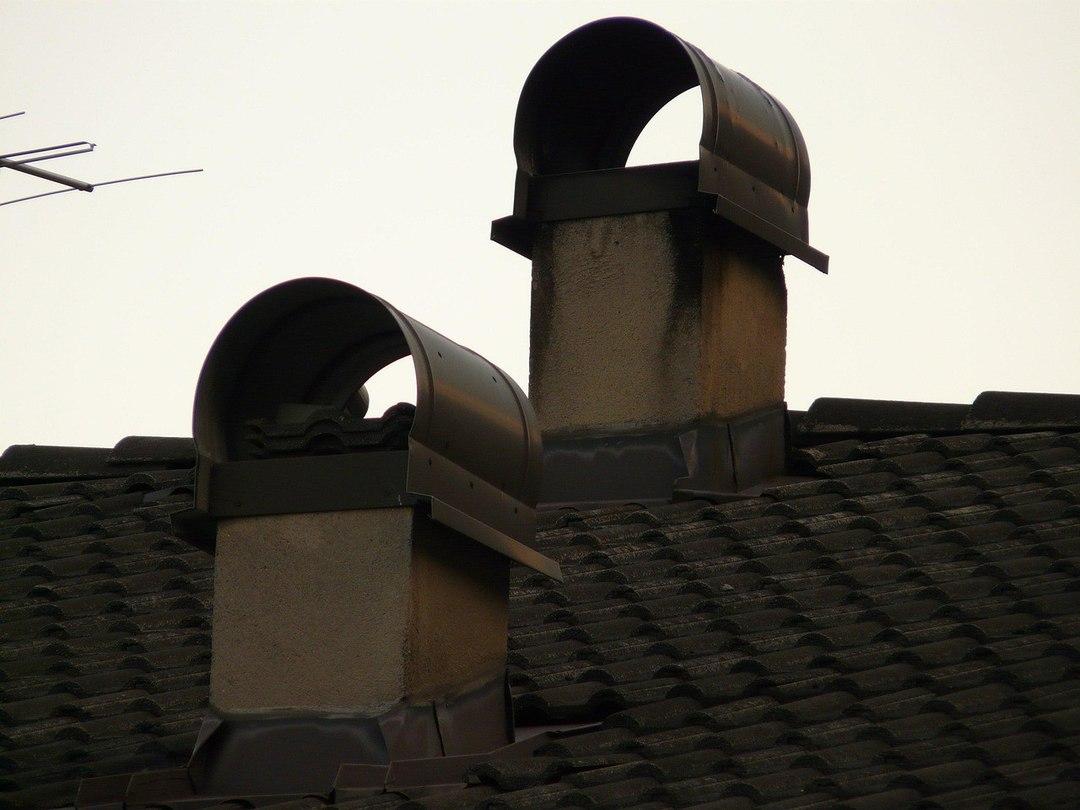
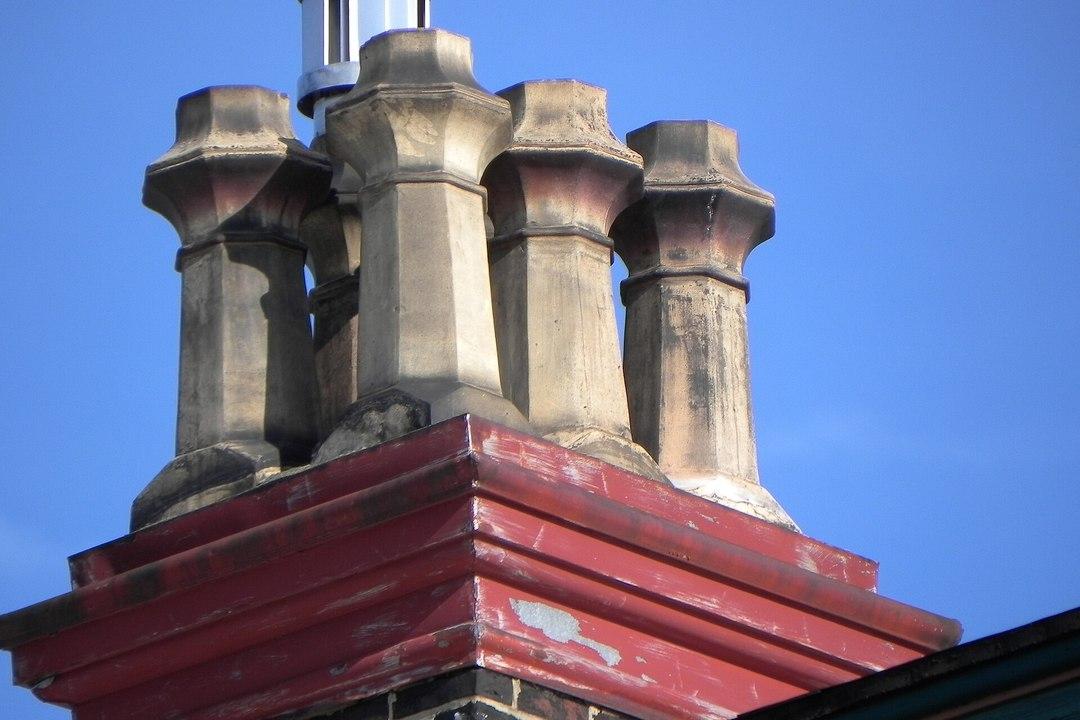
A total near the bottom and four photos
Chimney estimates tend to arrive in a hurry. A sweep finishes, or a home inspector leaves a note, and a day later an email lands with a list of items, a total and a handful of pictures taken with a phone held up a dark flue. Owners in Irvine bring us these pages with one question: does all of it really have to happen?
That is the visit we are built around. We read the estimate you hold, go up and look at the same chimney ourselves, and come back with our own photos and a call on each line. Sometimes we agree with every word. Sometimes half the list falls away. Either way you sign knowing what you are paying for.
Why two companies can look at one chimney and disagree
Different numbers for the same house are normal, and a higher one is not automatically wrong. The usual reasons are dull ones.
- They saw different things. One crew went on the roof and into the attic. Another looked up from the firebox with a flashlight. The second estimate is a guess about the top of the chimney.
- Maintenance is mixed in with repair. A sweep, a cap and a water repellent coat may sit on the same page as a cracked flue tile, with nothing to tell you which is which.
- The worst case is priced. If a crew could not get a clear view, some price as though the hidden part is ruined.
- A symptom is misread. White powder on brick is often salt carried out by moisture, not crumbling masonry. A hairline in a crown is not the same as a crown split through.
None of this means anyone acted in bad faith. It means the paper does not show the reasoning, so you cannot check it.
What happens during our second-look visit
We start at your kitchen table with the estimate. Every line gets a number so our notes can point back to it. Then we go and look.
- On the roof: the crown, the cap, the metal at the base and the brick above the roofline.
- Inside: the firebox, the damper, the smoke chamber and whatever the light shows above it.
- In the attic: the chimney where it passes the framing, looking for water marks or heat stains.
- In the flue, on camera, when any line on the estimate depends on damage inside it.
For each numbered line we write one of three calls. Before the next fire means using the fireplace as it stands carries a real risk. Plan for it means the item is genuine but can wait for a season or a budget. Not needed means we could not find the problem described, or the fix is larger than the problem. Every call sits next to the photo that supports it.
Lines that deserve a hard look
Some entries come up again and again on the estimates we are asked to check.
- A full rebuild where the photos only show loose brick in the top few courses. Damage often stops well above the roof, and the repair can stop there too.
- A new liner with no camera footage attached. If the flue is the reason for a large number, you should be able to see the crack.
- A water repellent coat listed while joints are open and the crown is broken. Sealer does nothing for gaps, so that order of work wastes money.
- One lump sum for "chimney repair" with no breakdown. You cannot drop the parts you do not need if you cannot see them.
- Urgent wording with no reason given. If something must happen before the next fire, the estimate should say what would go wrong otherwise.
When we see one of these we do not assume it is wrong. We go and look at that part first.
What the visit costs, and what decides the next step
The level of our visit follows what the estimate claims. If the questions are all about parts we can see and reach, a Level 1 at $160 is usually enough. If any line rests on damage inside the flue, we bring the camera, and that is a Level 2 at $380. Our Level 2 inspection page lists what the camera visit covers.
If repairs are needed, we price them ourselves. For the jobs we publish a price on, you see it straight away:
| Repair we often agree is needed | Our price |
|---|---|
| Tracing where the water gets in and stopping it | $545 to $3,250 |
| A cap fitted over an open flue | quoted on site |
| A peaked diverter behind a wide stack | $435 to $980 |
Crown, liner, damper and other masonry work vary too much to list; we write a figure on paper once we have seen the chimney, and it never moves after you approve it unless you add work.
If you are holding an estimate now, tell us which lines worry you and roughly what the total is. We call back to set a time and to ask anything we need before we climb.
When the first estimate was right
It happens often, and we say so. If the crown really is split, the flue really is cracked and the flashing really is letting water into the attic, our report shows the same things with our own photos. Plenty of owners take that report back to the first company and go ahead with them. That is a fine result. You paid for certainty, not for a different answer.
What we will not do is shave a line off to look cheaper. If a repair is needed before the next fire, our notes say that in plain words, even when it makes the total bigger than you hoped.
Who reads our findings
The findings go to whoever booked us. If you want a copy sent to a spouse, a landlord, an agent or the company that wrote the first estimate, give us the names and we send it. Nobody else gets it.
Related reading
If your estimate came from a home inspection during a purchase, our piece on the "further evaluation" note covers that case. If the big line on your page is a liner, read is that liner quote justified. For sales and escrow, see our pages for agents with repairs in escrow and repairs that need a permit.
Before you sign anything
An unsigned estimate on the counter is the right moment to call us in, not after the deposit. Head to the contact page, say what the estimate covers and where the house is, and we will come and see the chimney with our own eyes.
Want the Evidence on Your Own Chimney?
Kavanagh Chimney Sweep inspects from Irvine and photographs every item a quote or report names, then labels it now, later or not needed. Laguna Hills, Lake Forest, Newport Beach and the rest of Orange County are on our visit days.