
One sentence that can stall a purchase
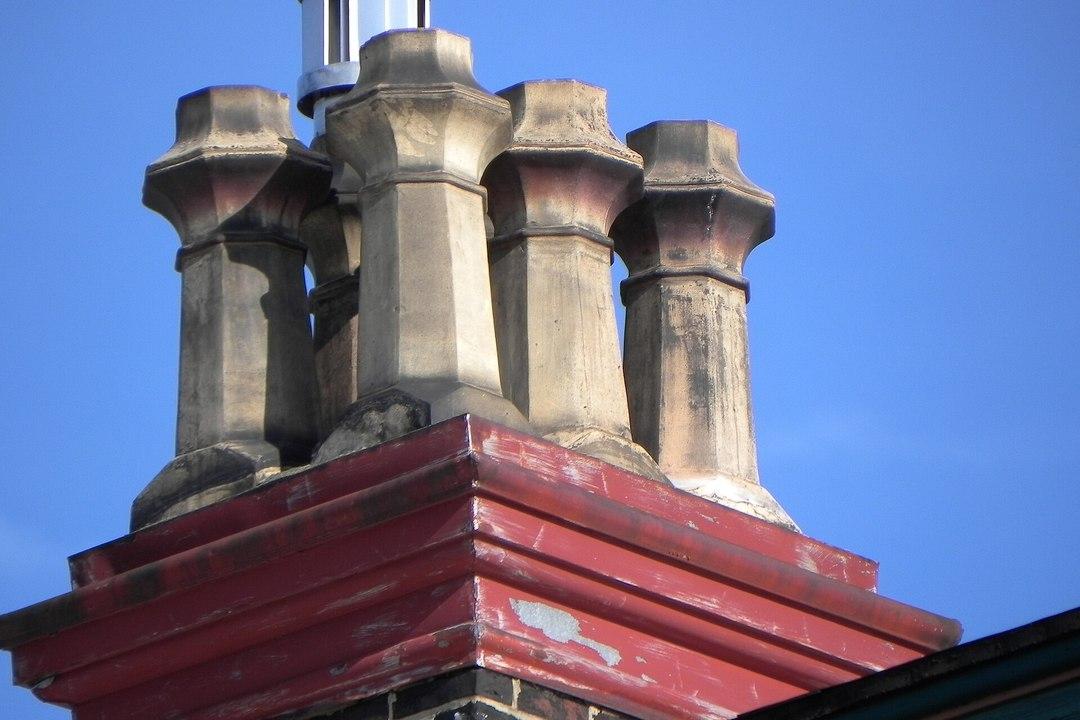
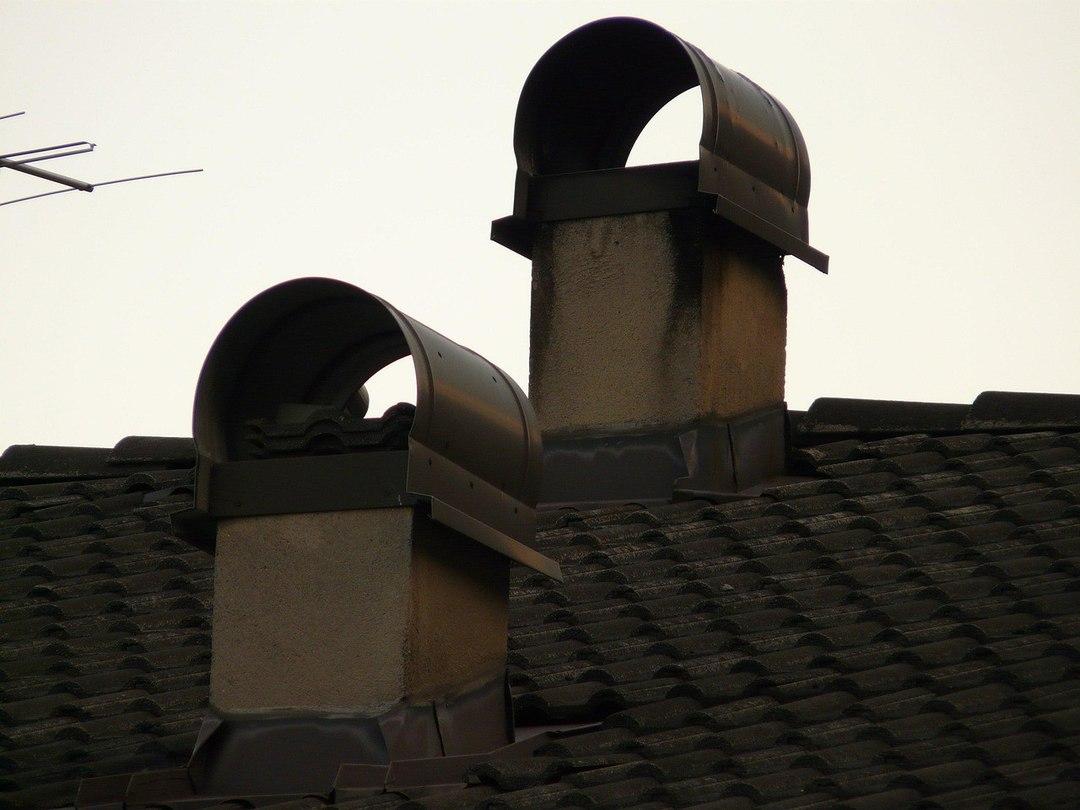
Halfway down a home inspection report there is often a line like this: "Chimney shows signs of wear. Recommend further evaluation by a qualified chimney professional." It reads like a warning. In practice it is a handoff. The home inspector has seen something, often staining, a crack, a rusty cap or soot where there should not be any, and is saying that the chimney sits outside what they are hired to judge.
For a buyer in Irvine with a contingency clock running, that sentence raises two questions at once. Is this serious? And who is going to answer it in time to matter? This post covers both.
Why the home inspector stops there
A general home inspection covers the whole property in one visit: roof, wiring, plumbing, heating, foundation and more. The inspector looks at the fireplace opening and at the chimney from the roof or from the ground. They do not run a camera up the flue, and most do not take the cap off. So when something looks off, the honest move is to pass it on rather than guess.
That is why the note is so common. It does not mean the chimney has failed. It means nobody has looked inside it yet.
What the note usually turns out to be
From the visits we make after these notes, the findings fall into three rough groups.
- Nothing much. A stain from an old leak that was fixed years ago, soot that only needs a sweep, a cap with surface rust and plenty of life left.
- Real but contained. A cracked crown, flashing lifting on one side, a damper that no longer closes, mortar loose in the top courses. These are repairs with a clear end.
- Do not light it yet. A cracked or displaced flue tile, gaps that could let heat reach the framing, heavy glaze from a fire that got hot. These need work before anyone uses the fireplace.
You cannot tell from the note which group you are in. The visit is what sorts it.
What we look at
For a purchase we nearly always do a Level 2 rather than a visual check alone. A house changing owners is one of the cases the national chimney standard, NFPA 211, singles out for the deeper inspection, and the reason is practical: the buyer has no history to go on.
During the visit we:
- go up on the roof to see the crown, cap, metal flashing and the brick above the roofline;
- open the damper and look at the firebox, the smoke chamber and the throat;
- run a camera through the flue from bottom to top and save the footage;
- check the attic where the chimney meets the framing, if there is a hatch we can reach.
Every finding is written as what it is, where it is and what we recommend: fix before using the fireplace, plan for later, or leave it alone. Each one has a photo.
What it costs and how the timing works
A Level 2 with the camera is $380. If there is more than one fireplace in the house, each flue is its own inspection. For a fireplace that was swept and inspected recently and has no open question, a Level 1 visual check at $160 sometimes satisfies both sides, but in a sale the camera is what usually settles it.
The thing that decides the next step is the contingency date. When you book, tell us that date. We give you the first opening we have and say plainly if it falls too close, so your agent can ask for more time early. Send the property address and your contingency date and we call back to book a visit.
If repairs come out of the inspection, we write them up as separate numbered lines, each with a price. For jobs we publish a figure for, it appears on the page straight away, for example leak work at $545 to $3,250. Caps are the one item we measure before pricing, and the figure follows the cap's size, its metal and the flue count. Everything else gets our own written figure after we have seen it.
How buyers and sellers use the findings
A buyer can attach our report to a repair request. Because each line is tied to a photo, the seller's side can see exactly what is being asked for, and it is much harder to wave away than a single sentence in a general report.
A seller can use the same document to decide which items to fix before closing, which to offer a credit for, and which to argue are not needed. Our calls are the same whoever pays us.
If the sale goes ahead, the new owner has a starting record for the chimney. If it does not, the seller has a report to hand the next buyer, which can take the "further evaluation" note off the table before it is written.
Who gets the report
The person who booked us receives the findings. Name your agent, the other side's agent, a lender or anyone else when you book, and each gets the same copy. We do not send it anywhere without that instruction.
A note on condos and townhouses
Attached homes add a wrinkle. Parts of the chimney may belong to the association rather than the unit owner. Our condo and townhouse sale page covers how we mark each finding by location so the right party can deal with it.
For agents working a deal, our page on repairs agreed during escrow shows how we write a scope both sides can read.
Clearing the note
A vague line in an inspection report is easiest to deal with early, before it becomes a sticking point in negotiations. Use our contact page with the address and the date your contingency ends, and we will set up the visit that answers it.
Want the Evidence on Your Own Chimney?
Kavanagh Chimney Sweep inspects from Irvine and photographs every item a quote or report names, then labels it now, later or not needed. Laguna Hills, Lake Forest, Newport Beach and the rest of Orange County are on our visit days.